%20(2).png)
Custom Waterfalls & Premium Water Features
A luxury water feature must be built as a flawless hydraulic closed-loop system that complements the natural landscape. Our construction methodology prioritizes zero-tolerance water containment, structural subgrade isolation, and low-maintenance biological filtration. We bypass flimsy pre-formed plastic tubs and generic pond kits, building exclusively with high-density underlayments, heavy-duty 45-mil EPDM fish-safe liners, and solid concrete masonry basins cladded in natural stone. From contemporary weeping walls and structural water tables to cascading pondless waterfalls, our systems feature integrated auto-fill valves, variable-speed commercial pumps, and advanced UV sterilization to keep water crystal clear with minimal oversight.


Local Information
To protect water features from catastrophic ice expansion, and increase their functional window, we highly recommend pondless waterfall designs for this northern corridor. By routing water into an underground, gravel-filled containment basin rather than an open pond, the system can safely run deep into the autumn or be winterized seamlessly without the risk of deep-freeze ice crushing the pump vaults. For estates in Washington, Roxbury, and Woodbury, we often build with "Glacial Authenticity," using local, weathered Connecticut granites and native moss boulders to construct cascading stream beds that look as though they were carved by natural mountain runoffs. Throughout the high-elevation terrains of Bethlehem, Goshen, and Litchfield, the principal site dynamic is the brutal winter freeze cycle. In areas like Watertown, and many other areas in the county, subsurface ledge rock is common. Our site layouts utilize existing grade transitions to minimize the risk of encountering blasting while maximizing natural gravity-fed water cascades.
In the rolling landscapes of Newtown, Redding, and Bethel, dramatic grade drops provide the ideal canvas for high-volume, multi-tiered hillside waterfalls. We anchor these large-scale stone runs with heavy-duty structural boulder placement, ensuring natural gravity carries the water smoothly over drops without eroding the surrounding soil. In New Canaan and Ridgefield, strict Impervious Surface Ratios (ISR) require careful site planning; our pondless water systems are engineered to utilize open river-stone gravel basins that allow stormwater to infiltrate naturally, frequently exempting them from rigid lot-coverage caps. For lakefront homes in New Fairfield, Sherman, and Brookfield, water feature design requires isolating the system completely from the Candlewood Lake watershed. Our containment setups feature dedicated overflow routing to ensure heavy rain events cannot wash treated feature water or decorative pond elements directly into the lake ecosystem.
The expansive "Red Clay" belt operating through Avon, Simsbury, and Farmington presents unique challenges for water feature stability. Because clay shifts dramatically when saturated, any rigid stone stream bed or formal fountain basin will crack if laid directly over raw earth. We counter this by over-excavating the entire feature footprint and installing a self-draining, highly compacted crushed stone matrix wrapped in geotextile fabric to cushion the water structure from subterranean shifting. For close-proximity properties in West Hartford and Glastonbury, acoustic privacy and space optimization drive our designs. We build vertical weeping stone walls and architectural bubbling basalt columns that deliver crisp, ambient white noise to mask suburban traffic without occupying large footprints. For river-basin builds in Burlington and Canton, we incorporate high-efficiency UV clarifiers to neutralize heavy seasonal algae blooms fueled by valley humidity.
Sustained exposure to coastal salt air and high groundwater tables from Greenwich to Westport and Darien dictates a specialized material strategy. We strictly ban low-grade metals for plumbing and hardware along the shoreline, utilizing exclusively 316 Marine-Grade Stainless Steel or heavy-duty schedules of PVC for all internal connections in Southport and Madison to prevent chemical pitting and oxidation. High coastal wind shear can blow spray out of standard fountains, draining the system prematurely; we counter this by designing low-profile bubbling stones or deep-set architectural troughs that retain water even during heavy maritime gusts. In Guilford and Branford, where properties may sit inside FEMA Flood Zones, we secure all subterranean basin vaults with heavy-duty mechanical anchors to ensure high coastal water tables cannot float the empty reservoirs out of the ground during tidal surges.
We undergo a strict design process to accurately account for site variables and achieve the water feature design that is perfect for you and your property. With the help of advanced lidar scanning technology and 3D modeling, we can pre-visualize water velocity, splash radiuses, design impace and sound frequencies before a single stone is placed. Managing water requires precise control over fluid dynamics to ensure the feature operates efficiently without losing water to wind drift or excessive splashing.
Acoustic & Sound Masking Layout: Water features are highly effective tools for audio privacy. Our layout process controls the drop height and volume to tune the sound frequency—designing low-profile bubbling stones for gentle ambient murmurs, or multi-tiered cascades to generate deep white noise that masks nearby traffic.
Splash Zone Containment: To prevent structural water loss, we calculate the splash radius based on the height of the falls. The underlying containment liner is extended outward to a distance equal to twice the height of the waterfall drop, ensuring every droplet is recaptured and recycled through the system.
Common Visual Profiles: Pondless Cascades (natural stone streams where water disappears into a hidden gravel reservoir), Contemporary Weeping Walls (stacked slate or granite panels with a seamless sheet of water), and Basalt Column Clusters (vertical, raw-stone pillars with bubbling tops for a modern architectural footprint).
General Design Information
We undergo a strict design process to accurately account for site variables and achieve the water feature design that is perfect for you and your property. With the help of advanced lidar scanning technology and 3D modeling, we can pre-visualize water velocity, splash radiuses, design impace and sound frequencies before a single stone is placed. Managing water requires precise control over fluid dynamics to ensure the feature operates efficiently without losing water to wind drift or excessive splashing.
Acoustic & Sound Masking Layout: Water features are highly effective tools for audio privacy. Our layout process controls the drop height and volume to tune the sound frequency—designing low-profile bubbling stones for gentle ambient murmurs, or multi-tiered cascades to generate deep white noise that masks nearby traffic.
Splash Zone Containment: To prevent structural water loss, we calculate the splash radius based on the height of the falls. The underlying containment liner is extended outward to a distance equal to twice the height of the waterfall drop, ensuring every droplet is recaptured and recycled through the system.
Common Visual Profiles: Pondless Cascades (natural stone streams where water disappears into a hidden gravel reservoir), Contemporary Weeping Walls (stacked slate or granite panels with a seamless sheet of water), and Basalt Column Clusters (vertical, raw-stone pillars with bubbling tops for a modern architectural footprint).
Popular Material Selections & Finishes
The materials forming the core and facade of a water feature must resist continuous submersion, chemical scale buildup, algae root penetration, and structural frost expansion during New England winters.


Water Features / Pump Systems
Popular Materials: 45-mil EPDM Pond Liners, Stainless Steel Submersible Pumps, External Centrifugal Pumps, Schedule 40/80 PVC Piping, UV Clarifiers, Solid Brass/Bronze Fountain Nozzles.
Common Applications & Technical Info: The operational and mechanical systems powering architectural waterfalls, koi ponds, and fountain displays. Systems rely on continuous-duty, energy-efficient pumps calibrated to exact Total Dynamic Head (TDH) metrics to guarantee targeted water velocity over stone weirs. All underground plumbing must utilize rigid Schedule 40 or 80 PVC with solvent-welded joints to withstand soil settlement; flexible PVC should be restricted to tight, un-pressurized radius runs. Advanced filtration integrates biological filters with automated UV clarifiers to neutralize suspended algae blooms and protect water clarity.
Aesthetics & Maintenance: Functional mechanical components are entirely hidden inside skimmer boxes, disappearing edge catch-basins, or biological filter vaults. Requires weekly clearing of skimmer baskets, monthly filter media rinsing, and complete winterization—including pulling submersible pumps or deploying aeration lines to prevent ice lock and casing fractures during sub-zero months.
Pricing Guidance: Fully integrated, engineered high-flow water feature systems represent a premium specialty tier investment with ongoing utility and seasonal maintenance considerations.
Perennial Plantings
Popular Materials: Purple Coneflower (Echinacea purpurea), Black-Eyed Susan (Rudbeckia fulgida), Catmint (Nepeta), Russian Sage (Salvia yangii), Variegated Hostas, Rozanne Cranesbill (Geranium).
Common Applications & Technical Info: Arranged in landscape beds, hardscape borders, and structural retaining wall terraces to provide cyclical seasonal color, varied texturing, and ecological pollinator corridors. Selected cultivars must demonstrate strong regional hardiness and high resistance to local white-tailed deer browsing pressure. Soil beds must be heavily amended with organic leaf compost and top-dressed with a 2-to-3 inch layer of triple-shredded bark mulch to retain moisture and suppress invasive weed growth.
Aesthetics & Maintenance: Delivers a dynamic, constantly shifting landscape canvas as blooms sequence from spring through late autumn. Maintenance involves early spring cutbacks of dead structural stalks, deadheading spent blooms to prolong color cycles, and manual root division of overcrowded clumps every 3 to 4 years.
Pricing Guidance: A highly accessible, cost-effective mid-tier landscape enrichment that grows exponentially in visual density and functional value year over year.
Dock Lighting and Marine Lighting
Popular Materials: Solid Cast Brass, 316 Marine-Grade Stainless Steel, Heavy-Gauge Copper, Low-Voltage LED Modules.
Common Applications & Technical Info: Specialized illumination systems engineered for installation on coastal docks, lakefront bulkheads, seawalls, and marine boardwalks across Connecticut's shorelines and inland waterways. Fixtures must possess a minimum IP67 or IP68 ingress protection rating to withstand direct wave wash, tidal submersion, and constant airborne salt mist. Systems operate on safe, low-voltage (12V-15V) currents supplied by multi-tap transformers with integrated surge protection.
Aesthetics & Maintenance: Raw copper and solid brass fixtures slowly develop an architectural verdigris or deep bronze patina that integrates seamlessly into marine settings, completely resisting the peeling and bubbling common to painted alloys. Maintenance requires wiping optical lenses clear of salt crusts and algae growth, alongside checking waterproof heat-shrink wire connections annually.
Pricing Guidance: A highly specialized, top-tier premium asset category engineered strictly for extreme environmental resilience and waterfront safety compliance.
Retaining Walls
Popular Materials: Native Connecticut Fieldstone, Granite, Split-Face Granite Blocks, SRW retaining wall block or "paver block" systems. Flat-Bedded Colonial Stone (often bluestone), CMU structure faced with blend options from Delgado Stone or La Pietra (popular and trusted local fabricators).
Common Applications & Technical Info: Heavy-duty vertical structures engineered for grade transformations, structural terracing, and maximizing usable lawn or patio space on sloped topography. Technical integrity demands that a continuous 4-inch perforated drainage pipe sit wrapped in clean 3/4-inch angular stone and encapsulated within non-woven geotextile fabric at the structural heel of the wall to eliminate hydrostatic pressure buildup. Mortared stone walls require a solid concrete footing poured below the 36-to-42 inch frost line, while dry-stacked walls utilize a deep gravel trench base to allow flexible, self-draining movement.
Aesthetics & Maintenance: Natural native fieldstone provides the classic, historic New New England stacked character, while split granite delivers clean structural stability. Dry-stack structures require occasional minor stone alignment checks; mortared walls require structural mortar joint inspections and occasional repointing over multi-decade lifespans.
Pricing Guidance: Custom natural stone masonry retaining walls occupy the highest tier of premium outdoor infrastructure investments due to the immense manual labor and masonry skill required to sort, split, and face raw stone. Poured concrete or SRW block walls represent the lower-mid tier investment range as far as the materials go. But keep in mind, retaining walls (over 3ft in most cases) invove engineering, permitting and massive site prep, so the finish material is just a portion of the overall project cost.
Natural Stone Veneer
Popular Materials: Thin-Cut Natural Stone (1" to 1.5" depth), Full-Bed Architectural Stone (3" to 5" depth) of Connecticut Fieldstone, Granite, and Quartzite.
Common Applications & Technical Info: Used to clad structural concrete block (CMU), poured concrete foundations, home exterior walls, and outdoor masonry fireplaces. Thin-cut veneer eliminates the need for structural concrete foundation shelves or structural ledges due to its lightweight profile. Installation requires a code-compliant dual-layer weather-resistant barrier (WRB), galvanized metal lath, mortar scratch coat, and a high-bond polymer-modified thin-set mortar. An integrated rainscreen or drainage mat must be detailed behind the veneer matrix to facilitate rapid drying of micro-moisture.
Aesthetics & Maintenance: Delivers the exact visual depth and structural presence of a full-bed solid stone wall because it consists of 100% authentic quarried stone. Maintenance is very low, restricted to checking flashing interfaces and perimeter sealant joints annually to preserve the building envelope’s integrity.
Pricing Guidance: A high-end luxury architectural cladding option that sits above manufactured alternatives, balancing premium material prestige with streamlined structural integration requirements.
Learn About How We Approach the Custom Waterfalls & Premium Water Features Design Process
Water features are complex hydraulic systems that require rigorous forensic site diagnostics to ensure long-term mechanical reliability. Our scalable design process meets your project exactly where it is, focusing heavily on topography, elevation changes, and subsurface soil stability to prevent structural settling or shifting.
While we are happy to provide preliminary estimates, We do not begin work from these loose estimates like many contractors do. We build a complete paper trail of technical specs, selections, and options before issuing a fixed-price contract.
Our design team evaluates the structural shell requirements and compares mechanical components—assessing pump filtration rates, auto-fill lines, sound acoustics, and splash zones. We also contrast material aesthetics, balancing the rugged look of natural weathered ledge or moss rock boulders against clean, architectural water walls.
Crucially, every system is pre-engineered for Connecticut’s harsh winters, integrating custom winterization drain-downs into your Master Plan so your investment remains protected year-round.
The Structure and Site
The lifetime of an outdoor water feature is determined by the integrity of its hidden containment system and its ability to handle immense stone weight. Water will exploit the absolute smallest defect in a liner or basin, leading to hidden subterranean leaks that erode the surrounding soil. Our build standards focus on complete water isolation, heavy-duty puncture protection, and flexible plumbing networks that move naturally with New England's seasonal ground shifts.
The Multi-Layer Liner Matrix: We safeguard our water systems by installing a high-density, woven geotextile underlayment directly over the excavated soil. This fabric acts as a protective cushion, shielding the primary 45-mil EPDM fish-safe rubber liner from sharp stones and root penetrations.
High-Volume Sub-Surface Basins: For pondless waterfalls, we utilize heavy-duty structural matrix blocks (Eco-Blox) within the subterranean reservoir. These high-density modular units support thousands of pounds of decorative stone while creating an open water storage vault that holds up to 3 times more water than a traditional gravel-filled basin.
Flexible Plumbing Layouts: We completely eliminate rigid PVC and glued 90-degree elbows beneath the stone runs. We install Schedule 40 flexible PVC pipe, which resists crushing, minimizes friction loss for maximum pump efficiency, and expands safely during minor winter ground movements without snapping. Heavy-
Duty Pump Vaults: Pumps are housed inside rugged, rotomolded structural vaults nested deep within the basin. These vaults protect the mechanical elements from being crushed by heavy boulders while providing clean, unobstructed tool-free access for seasonal maintenance.
A premium water feature combines complicated structural systems, massive weight, and active plumbing systems along with extreme potential for environmental vulnerability. In turn, we take site considerations and
Our pre-construction site analysis covers five technical operational vectors:
Total Dynamic Head (TDH) Calculations: We calculate the vertical lift plus the friction loss created by the plumbing pipe runs. This accurate math allows us to size the commercial variable-speed pumps correctly, ensuring optimal water flow over the falls without overdrawing electricity.
Subgrade Bearing & Heavy Stone Placement: A single natural accent boulder can easily weigh between 500 and 2,000 lbs. We audit the soil's load capacity and install heavy-duty, woven geotextile fabric beneath a minimum 45-mil EPDM rubber liner, cushioning the system against the weight of the stone and preventing sharp rock punctures.
Evaporation & Wind Buffeting: We analyze the feature’s daily exposure to direct sunlight and dominant wind paths. High-velocity winds can blow fine mist out of the catchment basin, leading to rapid water loss; we adapt the design by deepening the collection bowls or specifying integrated automatic water-fill valves.
Dedicated Electrical Draw & Water Supply: We map out access to a dedicated GFCI-protected 15 or 20-amp electrical circuit to power the high-efficiency pumps and UV clarifiers safely. Additionally, we integrate a dedicated water line with an approved backflow preventer to maintain proper water levels automatically.
Stormwater Overflow Pathing: Heavy Connecticut rainstorms can quickly flood an outdoor water basin. Our site plans include a dedicated, gravity-fed overflow pipe built into the skimming matrix, routing excess rainwater safely away from your patio and into a designated dry well or drainage swale.
Regulatory Considerations for Custom Waterfalls & Premium Water Features
Water feature installations must align with specific electrical safety codes and local environmental regulations across Connecticut, particularly near delicate ecosystems.
Electrical Compliance (NEC Article 682): Because water and electricity are a high-risk combination, all submersible pumps and low-voltage lighting systems must be powered by a dedicated, GFCI-protected circuit. Receptacles must be housed in weatherproof enclosures and positioned at strict code-compliant distances from the water’s edge.
Inland Wetlands (IWWC) Jurisdictions: If your property borders a natural stream, lake, or protected wetland—such as areas surrounding Candlewood Lake or the Farmington River—adding a water feature may require a formal review. We assist in filing site plans to ensure your custom features do not alter local water tables or cause soil erosion.
Water Supply & Backflow Prevention: Connecting an automatic water-fill valve to your home’s potable water line requires a mandatory backflow preventer (such as a pressure vacuum breaker). This legal requirement prevents feature water from siphoning back into your home’s drinking supply during a sudden pressure drop.
Some of Our Project Portfolio


Get in Touch!
Additional Features & Related Services
Smart Electronic Auto-Fills: Liquid-level sensors that monitor basin volumes and automatically add water to counter natural evaporation without manual monitoring.
Advanced UV Sterilizers: High-output ultraviolet clarifiers integrated into the plumbing line to neutralize airborne algae spores, keeping the water clear without heavy chemical usage.
Recessed LED Night-Lighting: Submersible, low-voltage LED uplights tucked beneath waterfall lips and stream ripples to showcase the water movement after dark.
Natural Bog Filtration Zones: Designing shallow, gravel-filled aquatic planting beds directly into the stream flow to naturally filter out organic nutrients and minimize algae growth.
Common Installation Failures to Avoid
The "Unprotected Liner" Puncture: Placing large, heavy accent stones directly on top of an rubber liner without a secondary textile buffer. The sharp point of a boulder will easily puncture the rubber under load, creating a continuous, hard-to-find leak.
Basin Under-Sizing (The "Dry-Pump" Cycle): Building a subterranean collection basin that is too small for the stream's length. When the pump is turned on, it runs dry before the water has time to flow down the rocks and return to the reservoir, destroying the pump motor.
Glued Rigid PVC Joint Failure: Using standard rigid white PVC piping beneath a stone waterfall. As winter frost moves the ground, the rigid pipe cannot flex, causing the glued elbow joints to snap completely apart beneath the stone structure.
Omitting Auto-Fill Valves: Relying on a garden hose to manually replenish water. On hot summer days, evaporation can lower water levels by inches; if the water drops below the intake line, the pump will pull in air, overheat, and burn out.
Custom Waterfalls & Premium Water Features FAQ's
How do Connecticut Inland Wetlands regulations affect building an outdoor waterfall or water feature?
Because water features involve moving soil and managing water dynamics, they are heavily scrutinized if your property sits near protected ecosystems. In Connecticut, every municipality enforces the Inland Wetlands and Watercourses Act. If your proposed water feature falls within a town's specific "review area setback"—which is typically anywhere from 50 to 100 feet from a wetland, stream, or intermittent watercourse—you must obtain a formal ruling or permit from the local Inland Wetlands Commission. Our modular preconstruction phase manages this entire regulatory vetting process in the background so you stay fully compliant
What is the proper way to winterize a custom outdoor waterfall in New England?
Water expands by roughly 9% when it turns to ice, which will instantly rupture pipes and crack water basins if a system is poorly designed. We design our water features with built-in gravity drain-downs and strategic blow-out valves so lines can be cleared completely before the first hard freeze. For clients who want year-round visual interest without winter maintenance, we often design "pondless" waterfalls. These systems pump water from an underground, gravel-filled reservoir that sits safely insulated below the frost line, allowing the upper falls to be turned off without risk to the plumbing.
Which is better for a CT property: a pondless waterfall or a traditional ecosystem pond?
The choice comes down to maintenance thresholds and safety. Pondless waterfalls provide exceptional acoustic and visual value, consume less energy, eliminate mosquito breeding concerns, and carry zero safety liabilities for families with small children. Traditional ecosystem ponds create a stunning, natural habitat that supports fish and aquatic plants, but they require continuous biological filtration and aggressive skimming—especially during heavy New England autumn leaf drops. We evaluate these long-term lifestyle factors during our initial feasibility audit.
How do you handle poor soil drainage or hardpan clay when installing a water feature shell?
Heavy, dense soils like Middlebury hardpan clay trap groundwater tightly around subterranean structures. This builds up massive hydrostatic pressure that can literally push a water feature shell upward or cause it to settle unevenly. To mitigate this risk, we never simply dig a hole and drop in a liner. Our framework includes a structural diagnostic where we engineer a specialized sub-base drainage system, utilizing open-graded aggregate and dedicated overflow paths to channel shifting groundwater safely away from the feature's core.
Other Spaces We Build and Services We Provide
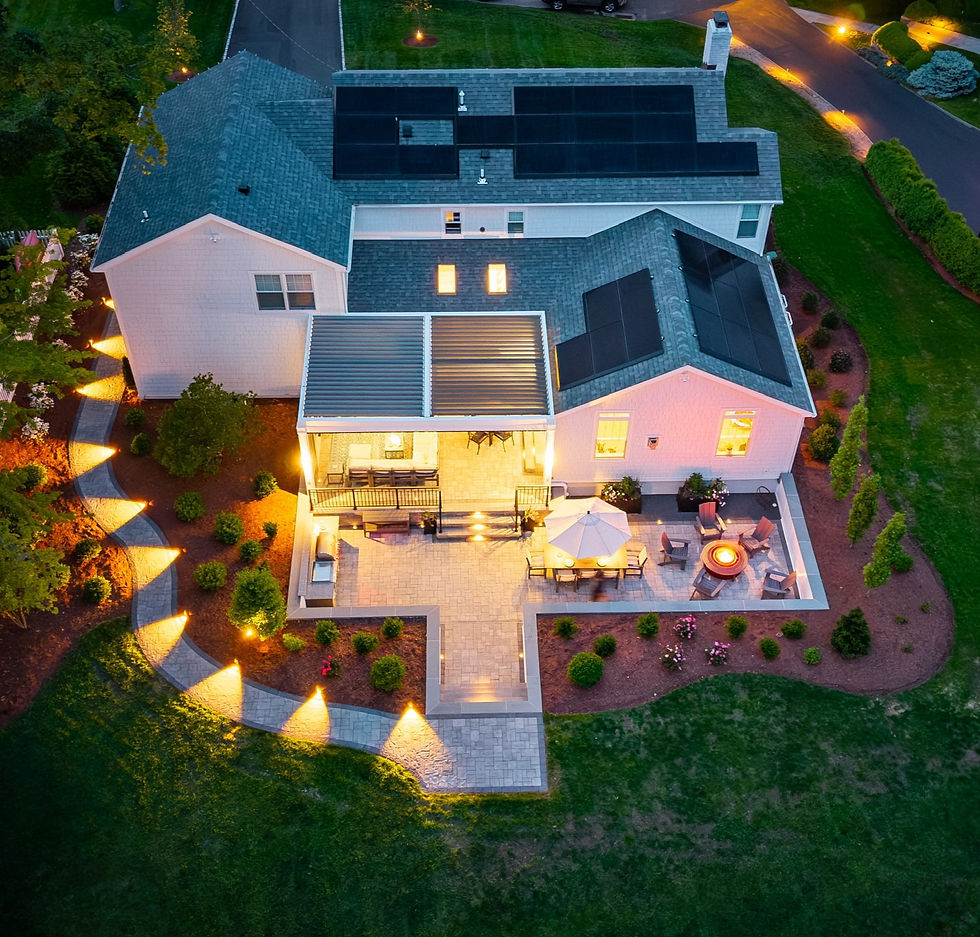
Exterior and Landscape Lighting

Fireplaces and Fire Features

Stone Veneer and Composite Stone Veneer

Patios and Walkways

Outdoor Kitchens

Concrete

Deck Construction

Trails and Garden Paths

Driveways

Retaining Walls

3-Season and Enclosed Outdoor Living Spaces

Site Drainage & Water Management
Softscape Design & Planting Installation
Outdoor Living Design and Build

Double-Sided Stone Walls and Stone Columns

Fencing and Privacy Plantings
Commercial Retaining Walls-- ADD INTO RETAINING WALL SECTION


